
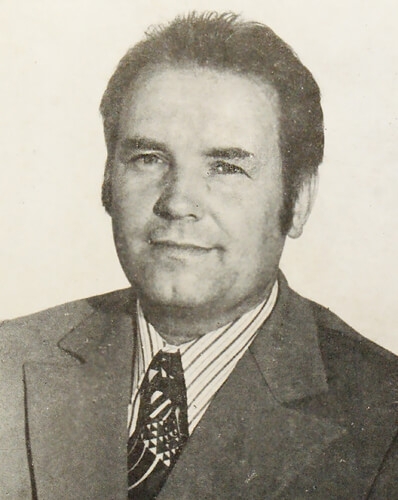
Viktor Korolchuk
Viktor Korolchuk biography
Viktor Korolchuk was a distinguished Ukrainian painter celebrated for his mastery of oil and pastel.
Summary of Viktor Korolchuk
The artist’s professional journey onto the national stage began in 1962. From that point forward, he became a fixture in major all-Ukrainian and all-Union exhibitions. Viktor Korolchuk’s paintings are represented in museums, galleries, and private collections in Ukraine and abroad.
Biography of Viktor Korolchuk
The artist was born in 1933 in the city of Berestia (Brest), in present-day Belarus. By 1947, while still a teenager, he was already refining his craft as an apprentice at the Brest Drama Theatre. That same year, he received his first prize at the All-Union Exhibition of Amateur Artists. He later worked as a cabinetmaker at the Brest Furniture Factory.
His formal education followed at the Rostov Art College (1958–1961), where he studied under the guidance of Arkadii Martirosov.
From 1962 to 1969, he worked in the Art Fund in Kryvyi Rih; from 1971 to 1982 — in Brest and Dnipropetrovsk (now - Dnipro). From 1983 until he died in 2015, he lived in Kyiv.
Since 1962, he had participated in all-Ukrainian and all-Union exhibitions. Viktor Korolchuk’s art is held in art museums in Belarus and Ukraine.
Viktor Korolchuk’s Famous Paintings: Distinctive Artistic Voice
Working in oil painting and pastel, he created landscapes, still lifes, and genre scenes.
Among Viktor Korolchuk’s original paintings are “New Mine” (1964), “Memory” (1968), “Anxious Day” (1976), “Brest Fortress” (1976), “White Chrysanthemums” (1978), “On the Dnipro” (1984), and many others.
The UFDA collection features three digitized works by the artist from the Borshchiv Regional Municipal Museum of Local History: In Taras Shevchenko’s Homeland (1986), Fortress on the Bug River (1984), and Haymaking Time (1987).
Viktor Korolchuk’s Art Style
Korolchuk blended realist foundations with an impressionistic touch. By masterfully manipulating light and color, he achieved a signature "vibrating" atmospheric effect that filled his paintings with a sense of airy freshness. Whether painting landscapes or thematic scenes, his work remains celebrated for its lush palette and the seamless way he captured the weightless quality of light.